We've rebranded! Texas Premier Oasis is now Legendary Outdoor Solutions - same team, same standards, elevated identity.

Paver Patio Cost in Forney, TX: What to Budget
Most paver patios in Forney cost about $18 to $35 per square foot installed. See what changes the price, where site prep matters, and how to budget realistically.
OUTDOOR LIVING
4/22/20264 min read
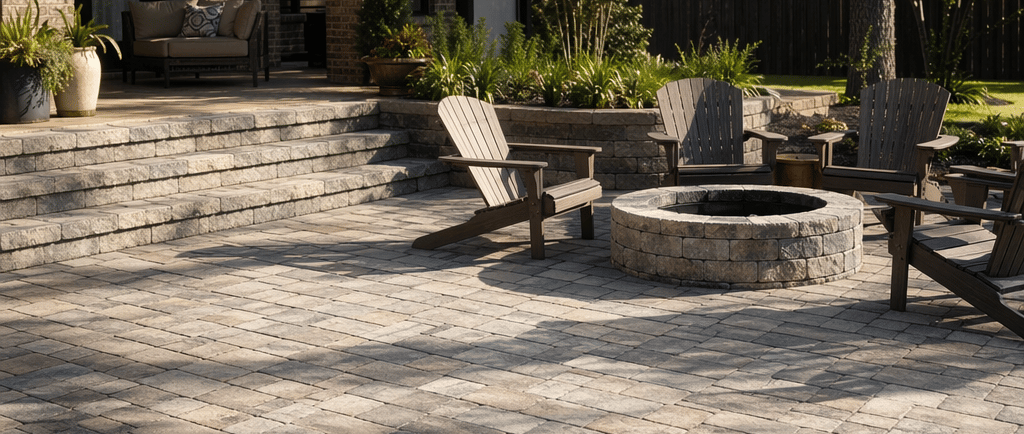
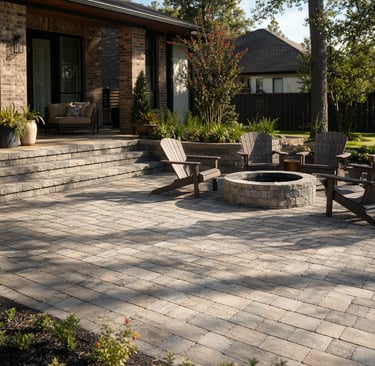
A paver patio in Forney usually costs about $18 to $35 per square foot installed, and many finished projects land around $6,000 to $20,000. Smaller patios on simple sites can come in lower, while larger patios with borders, steps, drainage fixes, curves, or pergola tie-ins can go well above that range.
What that installed price usually covers
Homeowners usually think about the pavers first, but the real cost is in the full system under and around them.
A typical paver patio budget can include:
demolition or excavation
haul-off and base prep
compacted aggregate base
bedding layer
edge restraint
pavers and pattern labor
cuts around borders, curves, or posts
joint sand and final compaction
cleanup and site touch-up
That is why two patios with the same square footage can price very differently. A basic rectangle on a clean flat yard is not the same job as a patio that has to correct drainage, hold a crisp border line, and tie into a larger outdoor living layout.
Budget ranges by patio size
A simple way to think about the price is by project scale.
About 200 to 250 square feet: often around $6,000 to $8,500 for a straightforward layout with standard concrete pavers and minimal site correction
About 300 to 400 square feet: often around $8,500 to $14,000 when the patio includes more usable dining space, better pattern detail, or a border course
About 450 to 600 square feet: often around $12,000 to $20,000 or more when the project starts acting like a full outdoor living area instead of a simple sitting pad
The lower end usually assumes standard materials, easy access, and limited drainage correction. The upper end usually shows up when the yard needs more prep or the design starts adding details that take real labor.
Why pavers usually cost more than plain concrete
A poured slab is simpler and faster to install. A paver patio is built in layers, and each layer matters.
The subgrade has to be shaped correctly. The base has to be compacted correctly. The bedding layer has to stay even. The edges have to be restrained so the field does not spread. Then the crew still has to lay, cut, compact, and lock the pavers.
That extra labor is the tradeoff. Pavers usually cost more up front, but they often look more finished, offer more design flexibility, and can be repaired in sections later if settling or damage ever happens.
Five cost drivers that move the number fast
1. Paver type and pattern
Standard concrete pavers are usually the most budget-friendly path. Larger-format pavers, premium textures, mixed sizes, heavy color blending, and decorative border patterns usually raise both material cost and labor time.
2. Patio shape
A clean rectangle is easier to lay out than curves, angles, radius cuts, steps, or multiple levels. More cuts usually mean more waste and more installation time.
3. Base prep and soil conditions
Forney-area clay soil matters. If the base is rushed or the subgrade is weak, the patio can move, settle, or hold water. Better excavation and compaction cost more up front, but that is usually cheaper than repairing a failed patio later.
4. Drainage work
A patio should not trap water against the house or create low spots in the yard. If the project needs grading changes, drainage correction, or a more deliberate runoff plan, the price can move fast.
5. Everything tied into the patio
Borders, steps, lighting, pergola footings, seating walls, outdoor kitchens, and retaining work can change the total much faster than many homeowners expect.
Three real-world budget examples
A 240-square-foot patio for a grill, small table, and a couple of chairs is usually the entry-level version. If access is good and the yard is already draining well, this is the kind of project that can stay near the lower end.
A 380-square-foot patio with a border course and enough room for both dining and lounge seating is where many homeowners start feeling the difference between a simple patio and a finished outdoor living feature. This is often the middle of the market.
A 600-square-foot patio tied into a pergola, steps, lighting, or nearby flower-bed reshaping usually lands in the upper tier because the project becomes more than paving. It becomes a coordinated backyard build.
Where Forney jobs get more expensive than expected
Several local conditions show up often in North Texas patio work:
clay-heavy yards that need stronger base prep
low spots or runoff paths that need correction before the patio goes in
long hauling routes from the driveway to the backyard
west-facing yards where homeowners also decide they need shade nearby
phased projects that later tie into pergolas, drainage work, or outdoor kitchens
These details do not always change the visible patio size, but they absolutely change the work needed to build it correctly.
Permits should be checked early, not guessed at
The City of Forney states that building permits must be obtained before improvements or alterations to a property, and it handles permits, contractor registration, fees, and project tracking through MyGov. Not every uncovered patio follows the exact same review path, but homeowners should check early if the project includes structures, electrical work, drainage changes, or other site improvements.
That matters for budgeting too. If the patio is really part of a bigger pergola or outdoor living project, the quote should reflect that early instead of pretending it is just a flatwork job.
How to keep the budget realistic
The smartest way to control cost is to decide what the patio needs to do before chasing patterns and upgrades.
A good planning checklist looks like this:
set the patio size around real furniture and walking space
choose standard or premium pavers early
decide whether a border, steps, or curves actually improve the yard
solve drainage before locking the layout
think now about whether the patio may later connect to a pergola, seating wall, or outdoor kitchen
That sequence usually prevents the most common budget mistake, which is designing a premium patio on paper and then trying to force it into an entry-level budget.
Bottom line
For most homeowners in Forney, a professionally installed paver patio is a mid-to-premium hardscape project, not a bargain add-on. A realistic planning range is about $18 to $35 per square foot installed, with many projects landing around $6,000 to $20,000 depending on layout, prep work, and site conditions.
The right number depends less on a generic national average and more on how the patio is built, how the yard drains, and whether the project is staying simple or becoming part of a larger outdoor living plan.
Legendary Outdoor Solutions can help you price the patio around your actual yard, your layout goals, and the way North Texas conditions affect long-term performance.
(214) - 557 - 7809
© 2025. All rights reserved.
Call or Text
Inquire
Office Hours
Monday - Friday 8am-6pm
Saturday 8am-12pm
Transforming your backyard into a stunning oasis. We specialize in custom builds, including patios, pergolas, shops, and pools. As a turnkey solution, we manage every aspect of your project—from initial planning and permit pulling to the completed end product.
With years of experience, we pride ourselves on professionalism and reliability, delivering top-quality grading, excavating, and concrete work—done right the first time.
Your satisfaction is our priority! Get a Free Estimate today to start creating your perfect outdoor space!
Legendary Outdoor Solutions: