We've rebranded! Texas Premier Oasis is now Legendary Outdoor Solutions - same team, same standards, elevated identity.

How to Plan an Outdoor Kitchen Layout in Texas
Plan an outdoor kitchen layout in Texas by starting with location, work zones, utilities, shade, and materials that can handle heat and weather. This guide shows homeowners how to size the layout, avoid common mistakes, and build a kitchen that actually works.
OUTDOOR KITCHENS
4/13/20267 min read
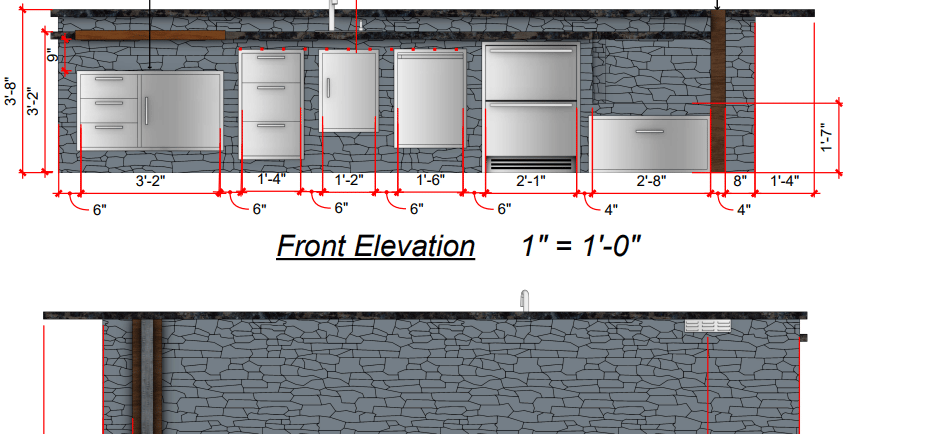
Plan an outdoor kitchen layout in Texas by deciding five things in this order: where it goes, how you cook, where prep and serving happen, how the utilities reach it, and how the layout will handle heat, smoke, and weather. Get those decisions right first, and the kitchen will be easier to use, easier to build, and less likely to need expensive fixes later.
That order matters because most layout mistakes are not appliance mistakes. They are planning mistakes, like putting the grill where smoke rolls back under the patio cover, placing the fridge beside the hottest appliance, or building a heavy island on a patio that never had the drainage or slab prep for it.
Start with the location before you pick appliances
The best outdoor kitchen spot is usually close enough to the house for practical utility runs and easy serving, but not so tight that the cook gets trapped in a traffic lane by the back door. A layout that looks fine on paper can feel cramped fast once someone is opening the patio door, another person is grabbing drinks, and the grill lid is up.
Texas sun changes this decision. A west-facing patio can be brutal in late afternoon, which is exactly when many families want to cook. In Forney and across North Texas, shade planning is part of layout planning. If the cooking area will sit under a roof or patio cover, that affects ventilation, lighting, and how close seating should be to the grill.
A few smart starting questions help narrow the location:
Will the grill face into the yard or back toward the house?
Is there enough room to open appliance doors and storage drawers fully?
Will guests cross behind the cook to get drinks or sit down?
Does water drain away cleanly from the slab instead of toward cabinets and toe kicks?
Will the layout still make sense if you later add a pergola, cover, or dining zone?
Build the layout around zones, not just appliances
BBQGuys breaks outdoor kitchens into four working zones: cooking, prep, plate-and-serve, and entertainment. That framework is useful because homeowners tend to shop appliance-first, then realize too late that there is nowhere to set a tray, stage raw food, or keep drinks away from the hot side of the kitchen.
A functional layout usually includes:
a cooking zone with the grill, smoker, griddle, or burner
a prep zone with landing space, storage, and ideally a sink nearby
a plate-and-serve zone where cooked food can come off the grill without guests crowding the heat
an entertainment zone with drinks, seating, or refrigeration that does not interfere with the cook
That separation is not just about convenience. Refrigeration works harder when it sits too close to the grill, and guests naturally gather wherever the food or drinks are easiest to reach. Good layouts keep that social traffic away from the hot zone.
Choose the shape that fits your patio and your habits
Trex Outdoor Kitchens provides a helpful way to think about layout shapes and size ranges. The right shape depends less on what looks impressive and more on how much patio you actually have and how many people will use the kitchen at once.
Straight run
A straight run is the simplest layout and often the best fit for tighter patios. Trex uses roughly 10 linear feet as a small-kitchen benchmark, with basics like a grill, sink, and storage. This layout works well when the outdoor kitchen is supporting, not dominating, the patio.
A straight run is a good fit when:
the patio footprint is limited
you want to keep costs more controlled
one person usually cooks
the dining table or lounge area is doing most of the entertaining work
L-shaped layout
An L-shaped kitchen is often the sweet spot for Texas backyards. It creates better separation between cooking and prep, gives you more natural landing space, and makes it easier for a second person to help without standing shoulder to shoulder at the grill.
This layout usually works well when:
you want the sink or fridge off the main grill line
the kitchen needs to support real family meals, not just weekend burgers
the patio has enough room for one leg to face guests and one leg to handle cooking
U-shaped layout or peninsula-heavy layout
Larger kitchens can move into U-shaped or peninsula-style plans. Trex notes that large kitchens often exceed 20 linear feet and can include far more counter space than smaller layouts. The upside is obvious: more prep room, better serving flow, and easier entertaining. The catch is that clearance issues show up fast if doors, drawers, stools, and grill lids all compete in the same footprint.
This layout makes the most sense when:
you have a large patio or dedicated outdoor room
more than one person cooks regularly
bar seating is part of the plan
the kitchen is a major backyard destination, not a side feature
Give yourself more counter space than you think you need
One of the most common outdoor kitchen regrets is not leaving enough landing space beside the grill. Trex uses planning benchmarks like 36 inches of workspace for a small kitchen, 48 inches for an essentials layout, and 72 inches for a medium layout. Homeowners do not need to copy those numbers exactly, but the lesson is solid: the kitchen has to work when platters, seasoning, raw food, tools, and cooked food all show up at once.
A grill without nearby landing space turns every meal into extra steps. The same problem shows up when the trash pullout is far from prep, or when the only drink fridge is directly behind the cook.
A practical homeowner test is simple. Imagine this sequence happening at the same time:
someone is seasoning meat
the grill lid is open
a tray of cooked food needs a place to land
another person wants a drink
a drawer is open for tools or trash
If that traffic pattern feels messy in your head, the layout probably needs work.
Plan for Texas heat, smoke, rain, and drainage
Outdoor kitchens in Texas need more than a pretty appliance lineup. Heat, smoke, water, and slab movement all affect how the layout should be planned.
Covered kitchens are a good example. A roof or patio cover can make the space far more comfortable in summer, but it also changes smoke management. BBQGuys recommends using a vent hood when grilling under a roofed structure and notes that outdoor vent hoods should extend at least 3 inches beyond each side of the grill. That matters because smoke and grease do not just disappear outside. They stain ceilings, coat finishes, and shorten the life of nearby components.
North Texas soil and drainage matter too. Heavy outdoor kitchen islands built from masonry, stone, concrete, and appliances place real load on a slab. In the Forney area, homeowners should pay attention to patio condition, drainage slope, and whether the base was built to support a permanent kitchen instead of lightweight furniture.
A layout usually needs extra attention when it includes:
a grill under a covered patio roof
long masonry islands on an older slab
sink plumbing or drainage connections
gas, electrical, and refrigeration in one run
low spots where rainwater sits against the island base
Pick materials for weather and cleanup, not just appearance
Layout and materials go together. The deeper and more complex the kitchen becomes, the more exposed it is to grease, rain splash, pollen, hard water, and heat.
For Texas projects, homeowners usually do better with:
outdoor-rated appliances instead of repurposed indoor products
durable counters that can handle sun and food prep, such as dense stone, porcelain, or well-detailed concrete
cabinet and finish selections that are easier to wipe down after grease and dust build up
materials at the island base that do not trap moisture where water hits the patio
Maintenance should shape the layout too. A beautiful white stone top beside a charcoal grill may need more routine cleaning than the homeowner expects. A sink with no nearby trash makes cleanup annoying. Open shelves can look great in photos but collect dirt fast in a windy backyard.
Know what drives cost and timeline before you lock the plan
Outdoor kitchen budgets change more from layout complexity than from grill price alone. A straight run with a grill, storage, and basic counter is much simpler than an L-shaped or U-shaped kitchen with a sink, refrigeration, bar seating, lighting, vent hood, and utility trenching.
The biggest cost and schedule drivers usually include:
gas line routing
electrical work for lighting, refrigeration, outlets, and ignition
sink plumbing and drainage
slab work or structural upgrades
masonry or custom cabinet fabrication
counter templating and install timing
vent hood and roof integration if the grill sits under cover
permit review, inspections, and contractor scheduling
Lead times can also surprise homeowners. Appliances may arrive on one schedule, stone counters on another, and electricians or plumbers on a third. That is one reason the layout should be settled before anyone starts ordering specialty pieces.
Common layout mistakes to avoid
A few problems show up over and over in outdoor kitchen projects:
putting the grill too close to a doorway or main walkway
leaving no real prep space beside the cooking surface
forcing guests to stand behind the cook to reach drinks
tucking refrigeration next to a high-heat appliance
forgetting task lighting for evening use
building a long island without thinking through drainage or slab condition
adding a cover without planning venting and smoke control
Most of those mistakes are fixable on paper and expensive to fix after stone, gas, and electrical are already in place.
Do not ignore permits and local planning
The City of Forney states that building permits must be obtained before making improvements or alterations to a property, and it handles permits, contractor registration, fees, and project status through MyGov. That does not mean every outdoor kitchen follows the exact same path, but it does mean homeowners should treat the project like real construction from the beginning.
That is especially important when the plan includes:
built-in gas appliances
electrical circuits and lighting
plumbing for a sink
a covered structure over the kitchen
a large permanent island tied into an existing patio or hardscape plan
Starting with a permit-aware layout usually saves time because the utility plan, venting needs, and inspection steps can be accounted for before demo or fabrication begins.
Bottom line
A good outdoor kitchen layout in Texas puts the grill in the right place, leaves real prep space, separates guests from the hot zone, handles smoke and weather, and fits the patio you actually have. For many homeowners, that means an L-shaped or well-planned straight-run layout beats an oversized showpiece that looks impressive but works poorly.
If you want help planning an outdoor kitchen that fits your patio, your utilities, and the way your family cooks outside, schedule a consultation today.
(214) - 557 - 7809
© 2025. All rights reserved.
Call or Text
Inquire
Office Hours
Monday - Friday 8am-6pm
Saturday 8am-12pm
Transforming your backyard into a stunning oasis. We specialize in custom builds, including patios, pergolas, shops, and pools. As a turnkey solution, we manage every aspect of your project—from initial planning and permit pulling to the completed end product.
With years of experience, we pride ourselves on professionalism and reliability, delivering top-quality grading, excavating, and concrete work—done right the first time.
Your satisfaction is our priority! Get a Free Estimate today to start creating your perfect outdoor space!
Legendary Outdoor Solutions: