We've rebranded! Texas Premier Oasis is now Legendary Outdoor Solutions - same team, same standards, elevated identity.

Do You Need a Permit for a Patio in Forney, TX?
Usually, yes. In Forney, check permit requirements before building a patio, especially for covers, footings, electrical work, or drainage changes.
OUTDOOR LIVING
4/18/20265 min read
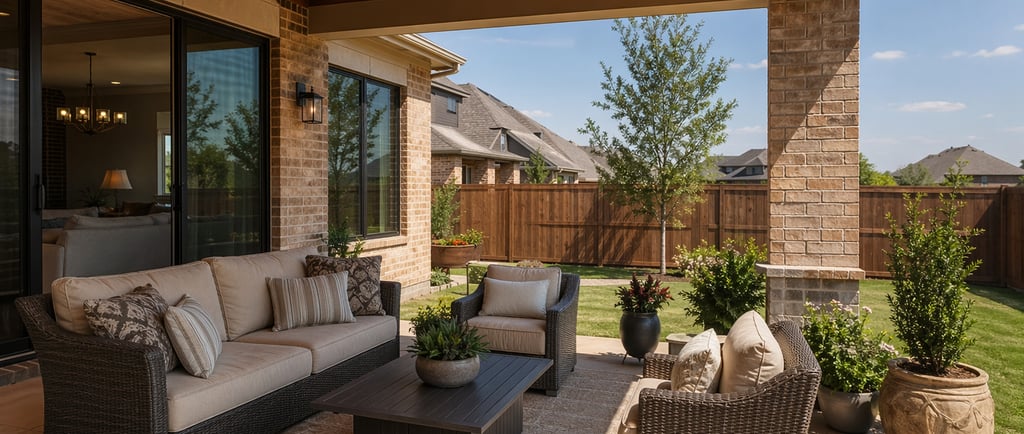
Yes, you should check permit requirements before building a patio in Forney. That is especially true if the project includes a patio cover, footings, electrical work, drainage changes, or anything attached to the house. A simple uncovered patio may face a lighter review path than a covered outdoor living space, but it is still smart to verify the exact scope before concrete is poured or materials are ordered.
Why the answer changes from one patio to the next
A lot of homeowners say "patio" when they mean very different jobs.
One patio might be a basic ground-level slab or paver sitting area. Another might be a roofed outdoor space with posts, lighting, fans, and drainage work tied into the yard. Those are not the same project from a planning or permit standpoint, and they should not be treated like the same level of build.
A quick way to sort it out:
a plain uncovered patio is usually a simpler permit question
a patio cover or roof extension is much more likely to need formal review
electrical for lights, fans, outlets, or media usually raises the stakes
grading and drainage changes matter more than many homeowners expect
HOA approval is separate from city approval, and many neighborhoods want their own design-review step before work starts
What Forney's own published guidance points to
Forney says building permits must be obtained before improvements or alterations to a property, and the city handles permits, contractor registration, fees, and project status through MyGov. The city also says construction permits are required for additions to property or grounds including decks, porches, driveways, sidewalks, spas, swimming pools, and storage buildings.
That matters for budgeting as well as compliance. Homeowners should assume permit fees are part of the project and check the current fee path through MyGov before finalizing the budget, especially if the patio is turning into a covered or utility-connected build.
That is why the safest homeowner assumption is not "it is in the backyard, so I am probably fine." The safer assumption is that the city may want to review the project, especially once the work goes beyond a very basic surface improvement.
Projects that are more likely to trigger review
Permit review is much more likely when the patio includes:
an attached patio cover tied into the house
freestanding cover posts with footings
ceiling fans, lighting, outlets, or other electrical additions
grading or drainage changes that affect runoff
retaining edges, tied-in steps, or nearby structural elements
work near easements, utilities, or tight property-line conditions
A good real-world example is a covered patio with recessed lights and a ceiling fan. That is not just a slab. It includes structure, electrical planning, roof-water handling, and likely inspection timing during the build.
When the question can be lighter, but still should not be skipped
A basic uncovered patio can be less complicated than a covered outdoor room, but that does not make it automatically exempt.
Even a simpler patio can raise practical questions about:
where it sits on the lot
whether runoff will move toward the house or fence line
whether the finished surface will slope correctly after a storm
how close the project is to setbacks, utilities, or other site limits
whether related work is bundled into the same job
That is the tradeoff homeowners should understand. Simpler patios are often easier from a permit standpoint, but they are still easy to get wrong if the site itself is the real problem.
Why drainage belongs in the permit conversation
In North Texas, a patio permit question is often partly a drainage question.
A patio that is too flat or has low spots can hold water after a heavy rain. Roof overhangs and downspouts can also dump water onto the patio fast if the layout is not planned correctly. That matters because a project that looks simple on install day can become frustrating once puddles, muddy edges, or runoff toward the house show up.
A few common examples:
a patio extension cuts off the path water used to take across the yard
a new patio cover concentrates roof water in one corner of the slab
a downspout empties right onto the finished surface
a low patio edge leaves standing water after storms
Those are not glamorous details, but they are exactly the kind of details that separate a patio that works from one that needs corrections later.
Simple patio vs covered patio
Homeowners usually get the clearest answer by separating the project into one of these two buckets.
Simple uncovered patio
Usually the main questions are:
how large it is
where it sits
what material is being used
how the surface will slope and drain
whether it affects nearby site conditions
Covered patio or attached outdoor living space
Usually the main questions are:
structural support and footing depth
attachment to the house
electrical scope
roof-water management
inspections during construction
That is why the safest answer is not a blanket yes or no for every version of a patio. It is that many patio projects in Forney deserve permit review, and covered or utility-connected patio work is much more likely to need it.
Permit fees and HOA review need to be planned early too
City review is only one part of the planning work. Permit fees may not be the biggest line item in the job, but they still belong in the real project budget instead of showing up as a last-minute surprise.
HOA review is a separate track. In many neighborhoods, that means sending in a site plan, patio size, materials, and, if there is a cover, the proposed roof or post layout for architectural review. City approval does not replace HOA approval, and HOA approval does not replace city review.
That creates a real tradeoff for homeowners. A simple uncovered patio may move through both steps faster, while a covered patio can involve more paperwork, more review, and more waiting before construction starts.
What to gather before you call the city or a contractor
You will usually get a better answer faster if you have the basics ready first.
Bring these details together:
rough patio size
uncovered or covered scope
whether it attaches to the house
whether you want lights, outlets, or fans
patio material, such as concrete, pavers, or stone
where water currently drains after a storm
whether your HOA has separate approval rules or an architectural request form
whether the project sits near fences, easements, or utilities
whether you need permit-fee details before locking the budget
That small prep step makes the conversation clearer and often helps avoid a redesign later.
The real tradeoff homeowners should think about
The biggest tradeoff is not just permit versus no permit. It is simple project versus more complete project.
A plain patio may be faster and cheaper to build, but it may not solve the real backyard problem if the space also needs shade, drainage help, or a covered gathering area. A covered patio can give you much more daily use, but it is also more likely to trigger structural review, electrical planning, and more construction steps.
That is where Legendary Outdoor Solutions should help the homeowner think clearly. The better question is not only "do I need a permit?" It is also "what kind of patio am I actually trying to build, and what does that scope require?"
Bottom line
For a patio in Forney, do not assume the backyard location makes the project permit-free. If the work includes a cover, utilities, structural elements, or drainage changes, permit review is very likely part of the job. Even for a simpler patio, confirming the scope up front is the smart move.
If you want help planning a patio that works with your yard, drainage, and long-term outdoor living goals, Legendary Outdoor Solutions can help you sort out the scope before you pay to build the wrong version of the project.
(214) - 557 - 7809
© 2025. All rights reserved.
Call or Text
Inquire
Office Hours
Monday - Friday 8am-6pm
Saturday 8am-12pm
Transforming your backyard into a stunning oasis. We specialize in custom builds, including patios, pergolas, shops, and pools. As a turnkey solution, we manage every aspect of your project—from initial planning and permit pulling to the completed end product.
With years of experience, we pride ourselves on professionalism and reliability, delivering top-quality grading, excavating, and concrete work—done right the first time.
Your satisfaction is our priority! Get a Free Estimate today to start creating your perfect outdoor space!
Legendary Outdoor Solutions: