We've rebranded! Texas Premier Oasis is now Legendary Outdoor Solutions - same team, same standards, elevated identity.

Backyard Patio Planning Ideas for Texas Homes
These Texas patio planning ideas focus on shade, drainage, durable materials, and layouts that stay comfortable through real summer heat.
OUTDOOR LIVING
4/23/20265 min read
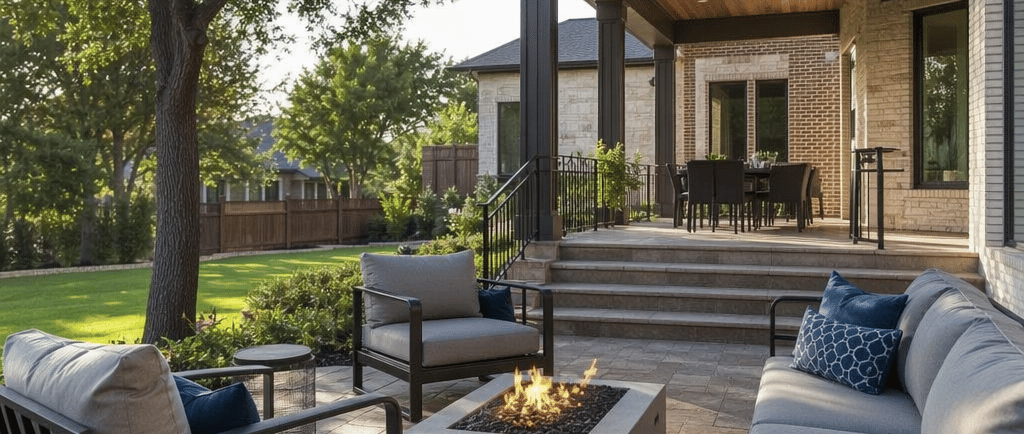
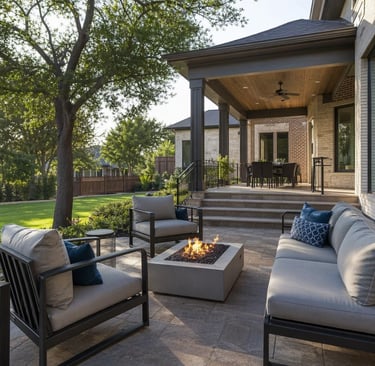
Backyard patio planning ideas for Texas homes should solve heat, runoff, and daily use before they chase a look. The patios that hold up best here usually have four things working together: usable shade, a surface that fits the budget and maintenance level, drainage that was planned before the finish went in, and a layout that gives each activity enough room to feel natural.
That matters in North Texas because a patio can look great on install day and still disappoint later if the sitting area bakes in west sun, water settles along the edge, or the whole backyard gets treated like one giant slab. A better patio usually feels intentional from the first sketch.
Start with the part of the yard that gets used the most
A lot of homeowners begin by asking how big the patio should be. The better question is what the patio needs to do most often.
For one home, the main need is a table close to the back door. For another, it is a shaded lounge space where people can actually sit in July. For another, it is a grill zone with room to move around without crossing through the seating area.
A strong starting layout usually prioritizes:
a main sitting or dining zone with enough furniture clearance
a clear walking path from the door to the yard
a practical spot for grilling or serving
an edge that transitions cleanly into grass, beds, or pool space
Once the highest-use zone is right, the rest of the patio ideas tend to fall into place more naturally.
Put shade where it gives the biggest comfort return
In Texas, shade usually changes how often a patio gets used more than extra square footage does. A modest patio with the right cover can feel more valuable than a larger open patio that stays hot most of the afternoon.
The right shade plan depends on how the yard is oriented and how the patio will be used:
Covered extension: usually the most practical choice for dining, fans, and everyday use near the house
Pergola: gives structure and visual interest, but still allows heat and filtered sun through
Freestanding pavilion: helpful when the best gathering area is farther out in the yard
Partial cover: often the smart middle ground when the budget will not support roofing the entire patio
When the budget is tight, covering the highest-use section usually gives a better everyday result than spreading the money across a larger uncovered surface.
Choose materials based on heat, upkeep, and repair reality
The best-looking material on day one is not always the best long-term fit. Texas patio surfaces have to deal with heat, dirt, furniture movement, weather swings, and in some yards a little shifting over time.
Here is the practical tradeoff most homeowners are deciding between:
Concrete patios: good for clean layouts, flexible sizing, and more budget-friendly installs
Stamped concrete: adds pattern and a more decorative look, but prep quality, finishing, and sealer maintenance matter
Pavers: usually cost more up front, but offer stronger texture, easier spot repair, and flexible design options
Higher-end stone or porcelain systems: can look excellent, but usually move the project into a more premium installation range
In hot Texas backyards, lighter colors and more textured finishes often feel better underfoot than dark, slick surfaces. That is especially important around lounge areas, pool edges, and open sections with heavy afternoon sun.
Treat drainage like part of the patio design, not an add-on
One of the easiest ways to ruin a good patio plan is to ignore where water is going. If runoff already crosses the yard poorly or the low side of the backyard holds water after storms, the patio needs to be designed with that in mind from the beginning.
In North Texas, that usually means paying attention to:
slope away from the house
low spots that collect water after hard rain
compacted or clay-heavy soil conditions
transitions where beds, edging, turf, and hardscape meet
whether a drain, swale, or larger correction needs to happen before the finish work starts
A patio should be part of the drainage solution. It should not be a decorative surface laid across a problem that shows back up in the next heavy rain.
Break the patio into zones so it feels more usable
Some of the best backyard patio ideas for Texas homes are not about one feature at all. They are about giving the yard separate jobs instead of asking one slab to do everything.
A patio often feels better when it includes two or three clear zones, such as:
a dining area closest to the house
a lounge area with better evening light or more privacy
a grill or outdoor-kitchen edge with room for traffic
a small secondary feature area like a fire pit, seat wall, or conversation nook
This kind of zoning helps the yard feel more finished without necessarily making the patio dramatically larger. It also helps keep furniture from feeling crowded or randomly placed.
Use steps, seat walls, and borders to solve grade changes cleanly
Texas backyards are not always perfectly flat, and forcing them to act flat can make a patio feel awkward. Mild grade changes often look better when they are handled with design elements instead of hidden or fought.
Useful solutions can include:
a low seat wall that defines the lounge edge and adds overflow seating
broad steps that connect one patio level to another
a material border that frames the main patio and visually separates it from nearby beds
a retained edge that makes a slope feel intentional instead of unfinished
These details do more than look nice. They can help the patio fit the yard instead of feeling like it was dropped onto it.
Plan lighting, fans, and utility access before the finish goes in
Many patio upgrades feel incomplete because the surface got built first and the useful details were left for later. If the patio may eventually include a cover, kitchen, fire feature, or evening entertaining, those needs should influence the plan early.
The most common quality-of-life upgrades homeowners wish they had planned sooner are:
ceiling fans under covered sections
lighting for steps, seat walls, or evening dining
outlets in the right places for cooking tools or outdoor living accessories
gas or electrical planning for future features
hose and drainage paths that do not cut across the patio awkwardly
A patio that supports real use usually feels better than one that only photographs well.
Match the patio idea to the kind of yard you actually have
Good inspiration is helpful, but the best patio design still has to fit the lot, the house, and the way the family lives. A few examples show how different the right answer can be.
For a compact backyard: A smaller paver or textured-concrete patio with one shaded sitting zone, one softened planting edge, and a clean traffic path often works better than trying to force in too many features.
For a medium-size suburban yard: A layout with dining near the back door and a secondary lounge zone farther out often creates a more complete outdoor-living feel without making the yard feel overbuilt.
For a long-term outdoor-living upgrade: It often makes more sense to invest in shade, drainage, lighting, and a smarter layout before spending every dollar on raw patio square footage.
Keep larger upgrade plans realistic from the start
Simple patio installs and larger outdoor-living projects are not the same thing. Once the plan adds a structural cover, electrical work, major drainage correction, or a more involved outdoor-living buildout, the planning process matters more.
For homeowners in places like Forney, residential permit applications run through MyGov, so it is worth checking local requirements early when the project goes beyond a basic surface installation. That check is usually easier at the planning stage than after the layout, budget, and materials are already chosen.
Final takeaway
The strongest backyard patio ideas for Texas homes usually prioritize comfort first and decoration second. Shade, drainage, surface choice, and layout do more for long-term satisfaction than simply making the patio bigger or adding trend-driven features.
If you want a patio that fits your yard, your sun exposure, and the way your family actually uses the space, Legendary Outdoor Solutions can help you plan a layout that looks good and works in real Texas conditions.
(214) - 557 - 7809
© 2025. All rights reserved.
Call or Text
Inquire
Office Hours
Monday - Friday 8am-6pm
Saturday 8am-12pm
Transforming your backyard into a stunning oasis. We specialize in custom builds, including patios, pergolas, shops, and pools. As a turnkey solution, we manage every aspect of your project—from initial planning and permit pulling to the completed end product.
With years of experience, we pride ourselves on professionalism and reliability, delivering top-quality grading, excavating, and concrete work—done right the first time.
Your satisfaction is our priority! Get a Free Estimate today to start creating your perfect outdoor space!
Legendary Outdoor Solutions: